

9 Fascinating Christmas Traditions to Discover Near Your UK Holiday Home
By Sophie Green - 17 January 2025

Sophie Green is the Marketing Manager at Tingdene Holiday Parks. Having grown up on the Norfolk coast and now living near Norwich, she combines local knowledge with over a decade of industry experience to share trusted travel insights and holiday home inspiration across the UK. A frequent visitor to Tingdene’s holiday parks in Norfolk, Suffolk, Lincolnshire, Yorkshire, and Essex, Sophie is passionate about promoting the natural beauty, local heritage, and relaxed holiday lifestyle across the UK.
Why Christmas in a UK Holiday Home Feels Extra Special
One of the joys of spending your holidays in the UK is rediscovering all that our countryside and coastlines have to offer.
But there’s more than scenery and summertime fun — there’s a rich pageant of history, folklore and tradition. Wherever you have a UK holiday home, you’re sure to uncover unique local customs, and nowhere is that more magical than at Christmas.
Christmas Traditions in Norfolk
A Royal Christmas Near Your Holiday Home
Norfolk is home to the Sandringham Estate, which has long been synonymous with the Royal Family’s Christmas celebrations. One might even call it a royal holiday home.
Occupied since Elizabethan times, the estate was purchased by the Royal Family in 1862 for Edward VII and rebuilt between 1870 and 1900. It was here that King George V delivered the very first Christmas broadcast in 1932, and where he later passed away in 1936.
“Dear old Sandringham, the place I love better than anywhere else in the world”
George V
The tradition continued through King George VI and Queen Elizabeth II, who spent around two months each winter at Sandringham and delivered her first televised Christmas message from the estate in 1957.
Today, King Charles and the Royal Family continue to spend Christmas in this sprawling Norfolk estate, continuing their traditions from afternoon tea to the German tradition of Heiligabend Bescherung – Christmas Eve presents.
Christmas Events and Royal Influence in Norfolk
Christmas as we know it in England is heavily influenced by the Royal Family, with many Victorian traditions like Christmas tree decorating and gift giving hailing from their Germanic roots and encouraged by Queen Victoria’s beloved husband, Prince Albert.
At the time of writing, it’s reported that The Prince and Princess of Wales will join the King and Queen, with other senior Royals, at Sandringham for Christmas 2025, and are expected to attend the annual Christmas Day service at St Mary Magdalene church.
Attention will also be on Princess Anne’s children, Zara Tindall and Peter Phillips. Phillips revealed his engagement to Harriet Sperling earlier this year, and celebrating Christmas at Sandringham would make this her first holiday season as a future member of the royal family — a subtle yet meaningful milestone amid the broader family gathering.
A Woodland Christmas Experience
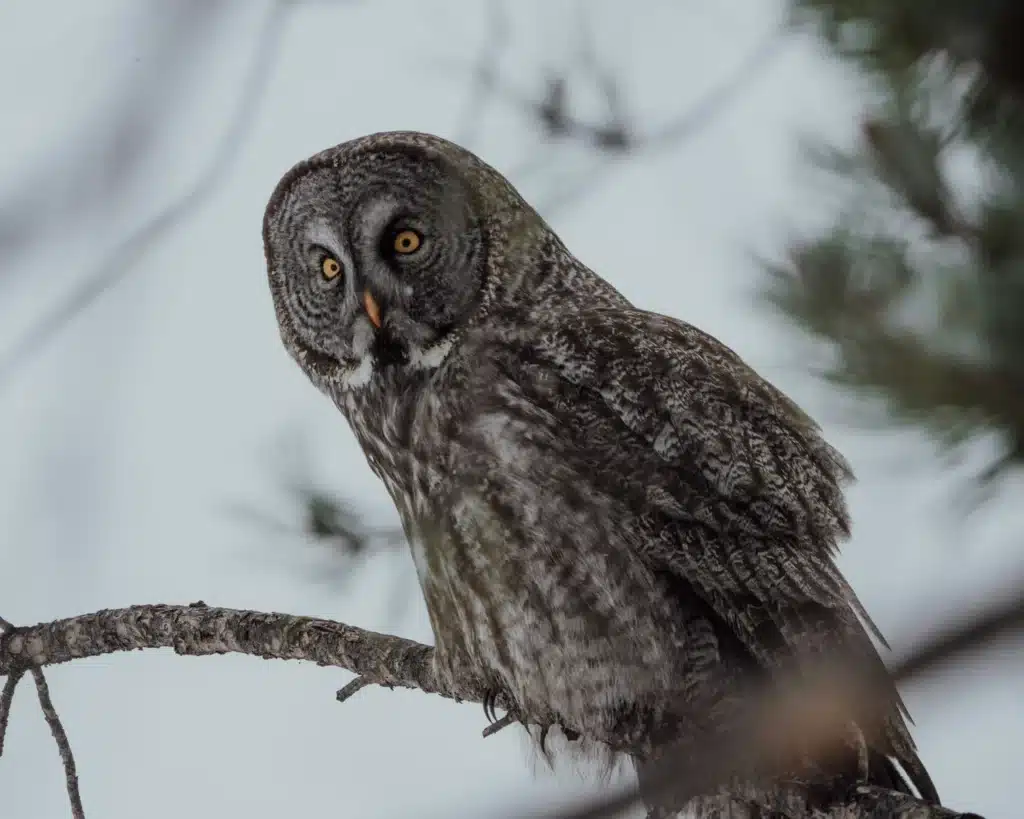
There’s an ancient European legend that states that animals can speak in human language on Christmas Eve. The myth may have its roots in paganism, much like Christmas itself, or it may come from the animals in the nativity bowing to Jesus at his birth. This legend appears in a variety of myths and tales across history and media, from “The Friendly Beasts” to a 1970’s American animation “The Night the Animals Talked”.
So, if come late December the animal kingdom can communicate with us in full and friendly conversation, it’s doubtless the animals who inhabit the wonderful woodlands around Caldecott Hall Country Park will be happy to tell you that it’s a really rather lovely spot for humans too.
Christmas Traditions in Suffolk
Folklore, Food and Festive History
Suffolk is a county steeped in tradition, and Christmas here is rich with folklore. One such tradition is Frumenty, a medieval wheat-based dish similar to porridge. In Suffolk, bowls of frumenty were once left outside farmhouse doors as offerings to fairies — a reminder of how ancient customs shaped festive life.
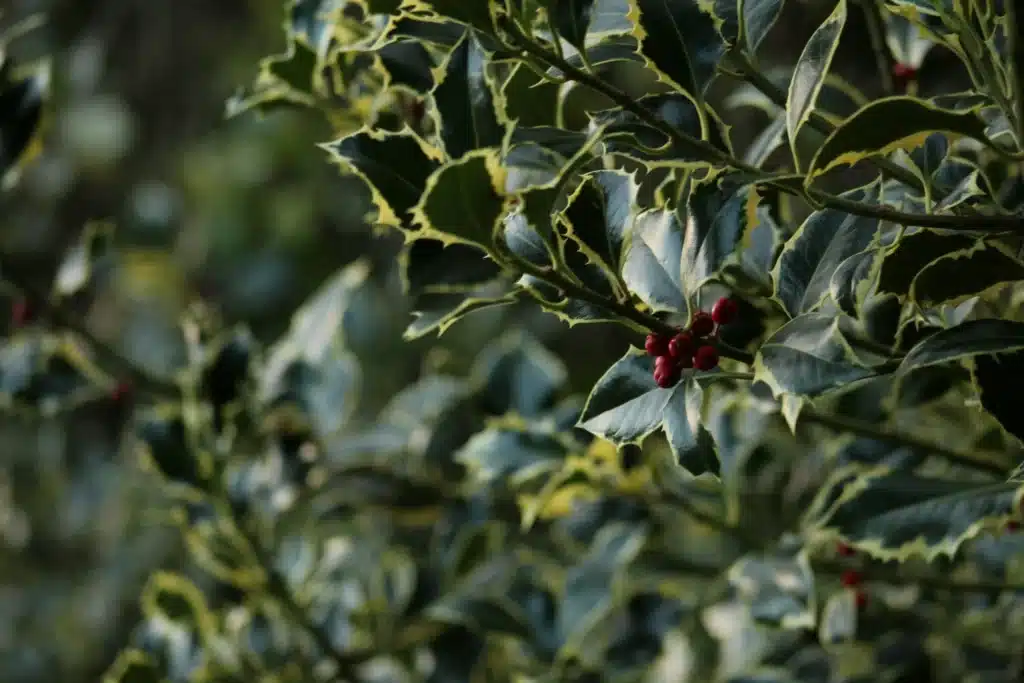
Another enduring tradition is the Yule Log, which inspired today’s festive dessert. The log was traditionally lit using the charred remains of the previous year’s log, carefully saved for twelve months. Decorated with willow and holly, it was ceremonially lit on Christmas Eve to bring good fortune.
Ancient Decorations and Seasonal Customs
Holly, ivy and mistletoe have long been associated with Christmas, though tradition dictated that holly must be brought indoors by a man — and only on Christmas Eve. Thankfully, festive decorating is far simpler today, allowing you to enjoy the charm of these customs without the rules.
“Of course, many of our Christmas customs, such as feasting, yule logs and evergreen decorations, belonged originally to the winter solstice, a celebration of the moment when the days begin to lengthen again and life returns to the natural world.”
Great British Life
Turkeys and Tudor Britain
Turkeys are a main staple for many Christmas dinners around the UK, but did you know that they’re not actually from Turkey! Native to the Americas, they were called Turkeys due to Europeans mistaking them for African Guinea Fowl, often referred to as Turkey Fowl.
Turkeys were introduced to England during Tudor times – keep reading to find out more about that. Domestically raised in Norfolk and Suffolk, they were walked all the way to the market in London over a period of months!
Close to the Norfolk and Suffolk border, you’ll find an incredible landscape full of birds, but probably not turkeys…
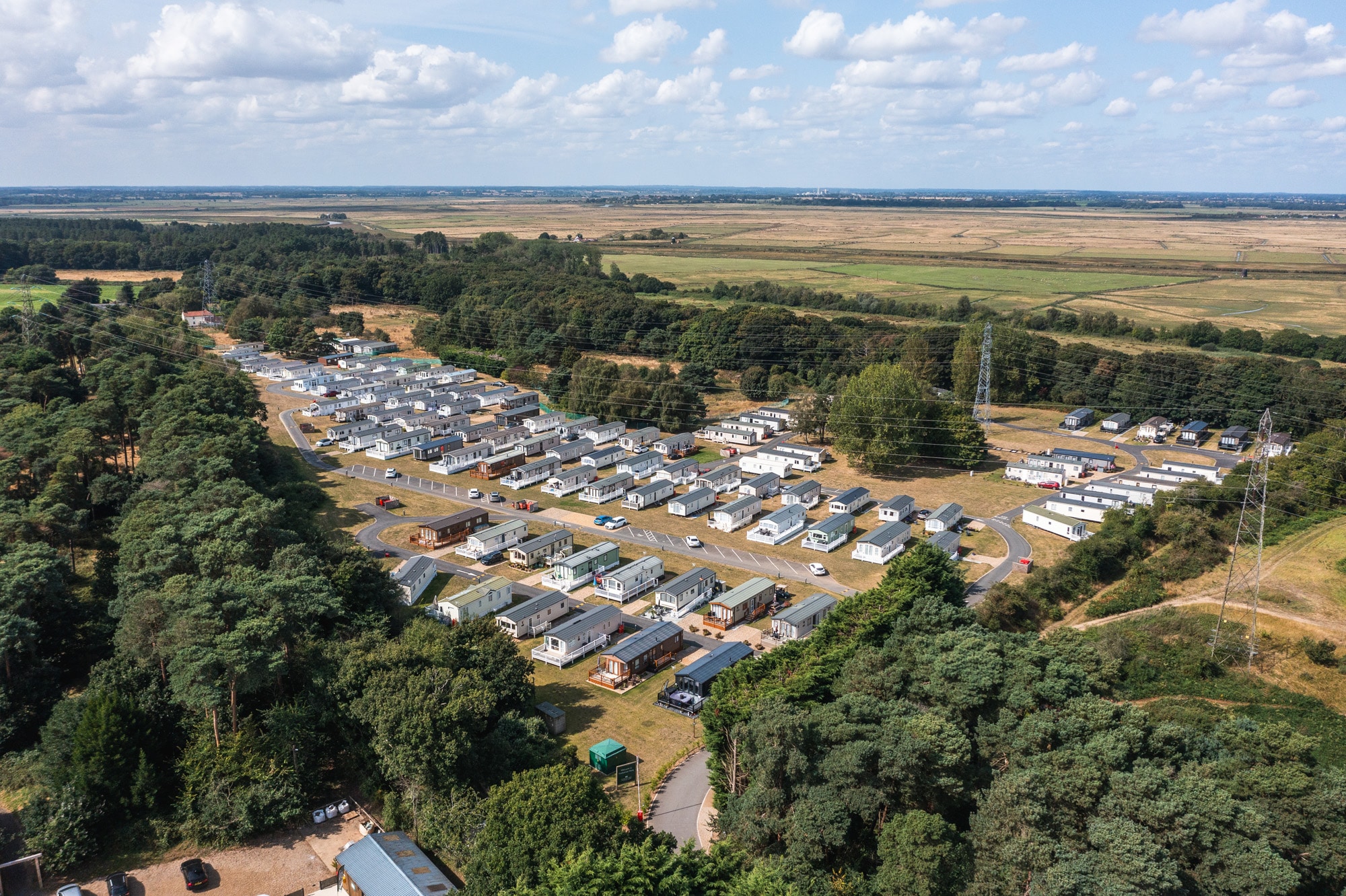
Overlooking Suffolk Wildlife Trust’s Carlton Marshes, an incredible nature reserve where you’ll find plenty of birdwatchers with their binoculars looking out for a variety of birds throughout the year, sits Waveney River Centre, a stunning setting for holiday lodges and the newly refurbished Waveney Inn on the Broads National Park.
Christmas Traditions in Lincolnshire
Haxey Hood in North Lincolnshire
Lincolnshire is not without its Christmas traditions either. Take Haxey in North Lincolnshire for example.
Lincolnshire is home to one of England’s most unusual festive traditions – Haxey Hood. Dating back to the 14th century, the event reenacts the pursuit of a noblewoman’s lost silk hood. Today, the hood is a leather tube, chased in a lively scrum known as The Sway, and ultimately claimed by one of four local pubs.
Crying Christmas in Lincoln
Christmas also starts in Lincoln with Crying Christmas, an ancient ceremony dating back to at least the mid-sixteenth century. The ceremony features musicians, who recite a poem of 15 verses as they parade through the city, encouraging people to celebrate Christmas sensibly.
The parade stops every now and then to allow the Proclamation to be read. The date changes slightly every year as they try to make it happen on a weekday as close as possible to December 21st.
Tingdene Mablethorpe Park on the coast of Lincolnshire is well known as a superb holiday home location. People love its mix of modern caravans and traditional cedar chalets.
Christmas by the Sea in North Yorkshire
Boxing Day Dips and Coastal Traditions
On the North Yorkshire coast, Christmas comes with a bracing twist. For over fifty years, hundreds of people have taken part in Boxing Day sea dips at Redcar, Saltburn and Whitby — plunging into icy waters in the name of festive fun.
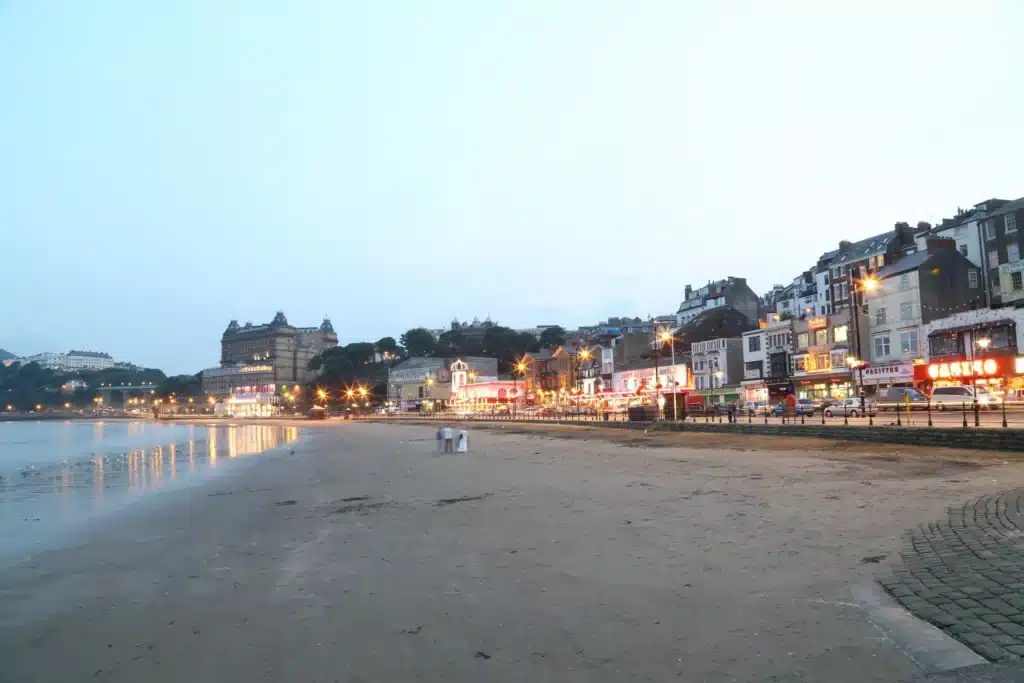
Just an hour or so away at the legendary seaside resort of Scarborough, there’s a rather more land-based Christmas tradition, dating back to the nineteenth century. Teams of Fishermen and Firemen compete in a game that, to the uninitiated, looks like a mash-up of football and rugby.
The tradition started after a fishing boat was lost at sea, in a terrible storm in 1893. Today, the game continues, and proceeds are donated to the Fishermen and Firemen Charity Fund. But not before the losing team members are dragged down to the sea and dunked in the icy waves. So it sort of ends like the Boxing Day swim too.
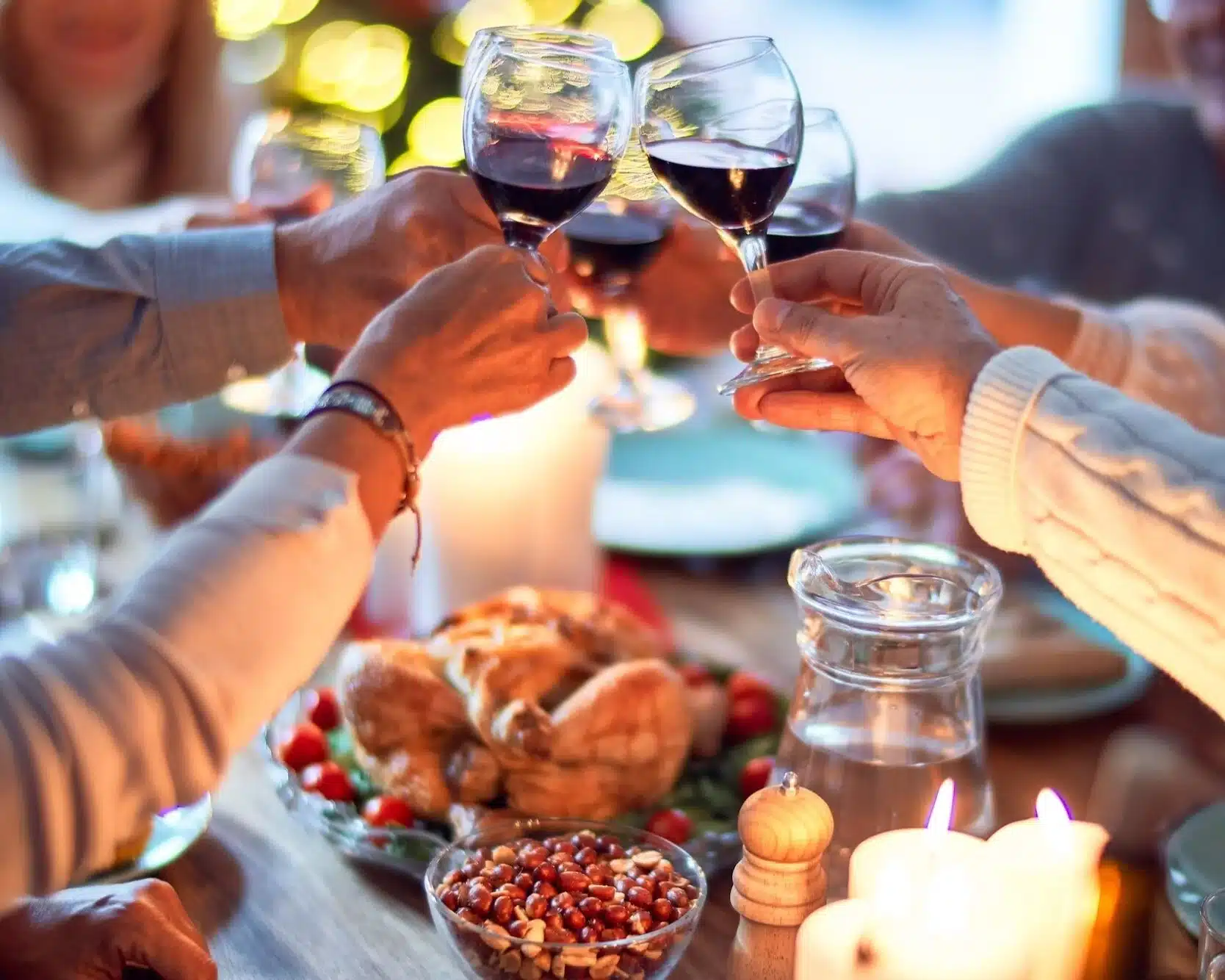
You don’t have to get wet, but you can see all of these traditional pursuits before heading back to your Christmas holiday home, where it’s very warm. And dry. And cosy…
Goathland Plough Stots & Plough Monday
In the heart of the North York Moors, the village of Goathland keeps alive one of England’s oldest seasonal traditions: the Goathland Plough Stots. This long‑established custom is tied to Plough Monday, which falls on the first Monday after Epiphany (January 6th) — traditionally the day when the agricultural year began after the Christmas season.
The Plough Stots are a team of long sword dancers whose history stretches back many centuries and is still celebrated each January. Historically, young men would drag a plough through the village after the twelve days of Christmas, stopping at houses to sing, perform and collect money — originally thought to pay for candles used over the festive season.
Today, the tradition continues with ritual sword dancing and pageantry, where the dancers raise funds for local causes and mark the transition from winter celebrations into the new agricultural year, linking community, heritage and festive ritual.
Christmas on the East Yorkshire Coast
Where the Turkey Became a Tradition
East Yorkshire plays a surprising role in Christmas culinary history. Near Bridlington, Boynton Hall was rebuilt by William Strickland, a Tudor adventurer who is credited with bringing turkeys to England after travelling to the Americas. His turkey farming venture helped cement the bird as the centrepiece of the Christmas dinner table.
So whether you’re enjoying turkey at home or in your holiday home, you may have William Strickland to thank.
Celebrate the New Year the Driffield Way in East Yorkshire
East Yorkshire is home to the Driffield New Year “scramble”, a tradition dating back to the 1800s. Each 2 January, children take to the streets, led by local dignitaries, chanting the rhyme:
“Here we are at oor toon end – A shoulder o’ mutton and a croon ti spend – Are we downhearted? No! Will we win? – Yes!”
Once recited, shopkeepers toss sweets (a modern twist on the hot pennies and oranges of the past) and children scramble through the streets, returning home with “dirty knees” and bags full of treats.
Documented in the first edition of the Driffield Times in 1860, the tradition was revived in 1995 and remains a unique New Year celebration, offering a glimpse into East Yorkshire’s festive heritage.
Visitors staying in a Tingdene holiday home in East Yorkshire, such as South Shore Park near Bridlington, can enjoy this lively and historic local custom.
And finally…
A Christmas Carol and the Future of UK Holidays
No exploration of Christmas traditions would be complete without Charles Dickens’ A Christmas Carol. Published in 1843, it shaped many of the festive values we still hold today — reflection, generosity and togetherness.
Holidays past
Think back to holidays past: the stress of airports, travel delays, unpredictable weather and rising costs. The pressure to please everyone and the uncertainty of unfamiliar destinations could take some of the joy out of Christmas getaways.
Holidays present
Life has changed, and we have different values. We’re post-Brexit, post-pandemic, determined to de-stress, and with a growing awareness of global warming and the need to go green. All of that adds up to the need to behave differently – to holiday differently. And fewer air miles, the more family-friendly approach is calling us. It’s calling us to have our own UK holiday homes.
Holidays Future
It’s time to start a new tradition. Cut away the old ways and get away to your own UK holiday home at Christmas, or at any time of year. Make it the hub of your happy season. Get the family together and make the most of making memories.
From Suffolk to Norfolk, from Lincolnshire to Yorkshire, there are a wide variety holiday homes for sale to view now.
You don’t have to get into Scrooge mode to see the financial sense of investing in a holiday home that will define your downtime for the future. You will make returns – in more ways than one!
Related News & Events
5 Amazing Dog-Friendly Days Out in Lincolnshire
If you’re looking for dog-friendly days out in Lincolnshire, you’ll find plenty of ways to enjoy adventures with your furry...
Read more
11 Beautiful Autumn Walks in Norfolk and Suffolk
The countryside and coastlines of East Anglia are a beautiful place to visit at any time of the year, but...
Read more