

Things to Do in Whitby: A Day Out on the Yorkshire Coast
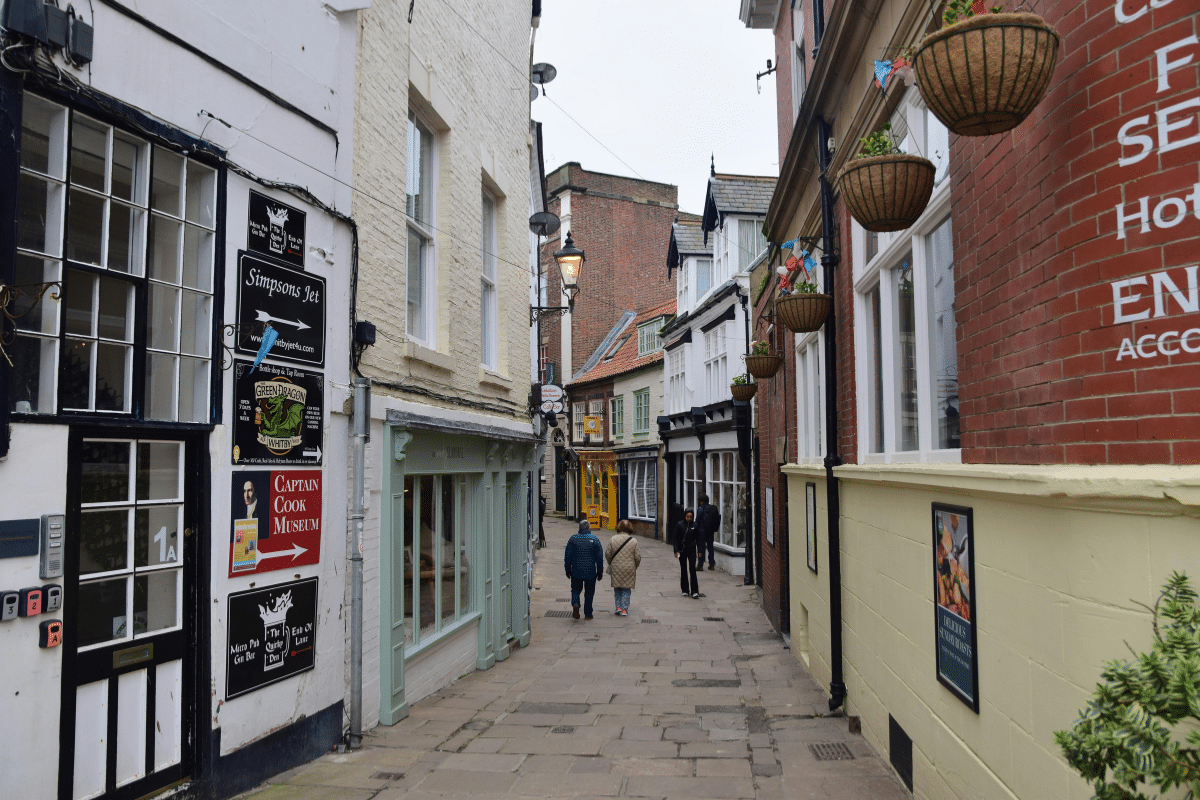
Whitby sits on the North Yorkshire coast, where the River Esk runs down to meet the North Sea. It’s an old fishing port with gothic ruins on the cliff, narrow cobbled streets, a busy harbour and a sandy beach, all packed into a historic town you can cross on foot. That mix is why people keep coming back, whether as a couple, a family with kids, or a dog owner after a good coastal walk.
There are more than enough things to do in Whitby to fill a relaxed weekend. If you’re based at one of our holiday parks further along the coast, it’s a comfortable morning’s drive, near enough to do as a day out and still be home for tea. A single day covers the headline attractions. Two days let you slow down and add a beach, a boat trip or the steam railway. Here’s what to see and how to plan it.
Whitby Abbey

The gothic ruins of Whitby Abbey stand high on the East Cliff, looking out over the town and the sea. A small monastery was first founded here in 657 AD, and the ruins you see today are the remains of a later medieval church. The tall arches and empty windows are the image most people picture when they think of Whitby.
That clifftop setting gave Bram Stoker his backdrop. He stayed in the town in 1890, found the name Dracula in a book in the local library, and set part of his 1897 novel here. The site is looked after by English Heritage, which runs family events and seasonal performances through the year, with a visitor centre and a headland walk to go with the ruins. Check opening times before you set off, especially in winter.
The 199 Steps and St Mary’s Church
To reach the abbey on foot, you climb the 199 steps that rise from the old town. They have led up to St Mary’s Church for centuries and were rebuilt in stone in 1774. There’s a bench part way up, the spot where coffins were once rested on the way to the churchyard, and it makes for a good spot to catch your breath and look back over the rooftops to the harbour.
St Mary’s itself is worth a look inside for its old box pews. The churchyard, with its weathered headstones facing the sea, fed the Dracula story and draws plenty of visitors, so tread quietly and keep to the paths. It is still a working burial ground after all.
Captain Cook and Whitby’s Seafaring Past
Whitby made James Cook into the seaman he became. As a young man he served his apprenticeship here on colliers, the sturdy coal ships that taught him the North Sea. The Captain Cook Memorial Museum sits on Grape Lane, in the harbourside house where he once lodged, and its rooms cover his Whitby years and the voyages that followed.
HM Bark Endeavour, Captain Cook’s famous ship from his first Pacific voyage, was built in Whitby in 1764. The town’s seafaring history runs deeper still. This was a major whaling port, and the whalebone arch on the West Cliff marks that past. The current jawbones were raised in 2003, the latest of several arches to stand on the spot.
Whitby Museum and Pannett Park
The Whitby Museum in Pannett Park is a proper old fashioned collection, and a good call for a quieter or a rainy afternoon: fossils, Whitby jet, ship models and the strange Tempest Prognosticator, a Victorian storm warning device powered by leeches (are we grateful for modern technology, or what?). The surrounding park has lawns, a bandstand and gardens to walk off lunch, and it sits neatly on a family route between the town centre and the West Cliff. Entry to the park is free, and the museum is a calm change of pace from the harbour crowds.
Dracula, Ghost Walks and Whitby Goth Weekend

If you haven’t been able to guess up to this point, Whitby really leans into its gothic side. The Dracula Experience on Marine Parade tells the story through animated scenes and live actors, and several ghost walks set off after dark, including Dr Crank’s well known tour through the old streets. These are good fun for older children and adults, though the jump scares and dark lanes can be a lot for very young ones!
Twice a year, in April and October, Whitby Goth Weekend fills the town with music, markets and elaborate costumes. It’s a sight in itself, but if you’re after a calmer visit, those are dates worth planning around.
The Harbour, West Cliff and Fish and Chips
The harbour is the town’s beating heart. The swing bridge links the two halves across the River Esk, fishing boats come and go, and the east pier and west pier reach out into the North Sea. Wander Church Street on the east side for the independent shops selling Whitby jet (no, it’s not the high-speed aircraft kind, but we explain lower down), sweets and seaside odds and ends, then cross over for the wider views from the West Cliff.
And of course, no visit is complete without one of England’s unofficial national dishes, fish and chips. The Magpie Cafe by the harbour is the famous one, with queues to match, and Fortune’s on Henrietta Street has been smoking kippers from the same family premises since 1872. Plenty of smaller chip shops do an honest plate too, so you’re never far from supper.
Beaches, Fossils and Whitby Jet

Below the West Cliff, Whitby Sands runs long and flat, lined with colourful beach huts and an easy walk down from the town. The main beach has a seasonal dog ban over the summer, so check the signs if you have your four-legged friend with you. The smaller Tate Hill Beach, beside the harbour, is more sheltered. Three miles up the coast, Sandsend beach is quieter again and good for a longer stretch of sand.
This part of the Yorkshire coast dates from the Jurassic period and is good for fossil hunting. Saltwick Bay, just to the south, turns up ammonites at low tide, and the wider coast has even produced dinosaur footprints! Guided walks will show you where to look and how to stay safe around the tides, so check the tide times before you head out.
Whitby jet, the black gemstone fossilised from ancient wood, has been worked here for generations and was made fashionable by Queen Victoria’s mourning jewellery. The independent shops along Church Street still sell Whitby jet jewellery today. For a longer outing on foot, the Cleveland Way coastal path to the fishing village of Robin Hood’s Bay is about six miles, and the level Cinder Track follows the old railway line south towards Scarborough.
Boat Trips and Coastal Wildlife
From Whitby harbour you can take a short cruise along the coast, or a pirate ship trip the children will definitely include in their back-to-school holiday updates. In the warmer months, some operators run whale watching cruises out into the North Sea, with minke whales, dolphins and porpoises seen off this part of the north east coast. Sailing depends on the season and the weather, so it’s best to check the day’s schedule with the operators down on the quayside before you commit.
Beyond Whitby: The Moors and the Steam Railway
Whitby sits right on the edge of the North York Moors, so it is easy to pair the coast with the countryside. The North Yorkshire Moors Railway runs steam trains inland to Pickering, stopping at Goathland, whose station has stood in for Hogsmeade station in the early Harry Potter films and Aidensfield in the television series Heartbeat. The scenic Esk Valley Line is another way into the hills if you would rather leave the car behind. Out on the moors there are gentle strolls and longer hikes, with the heather turning purple in late summer.
Make a Day of Things to Do in Whitby from Your Holiday Home
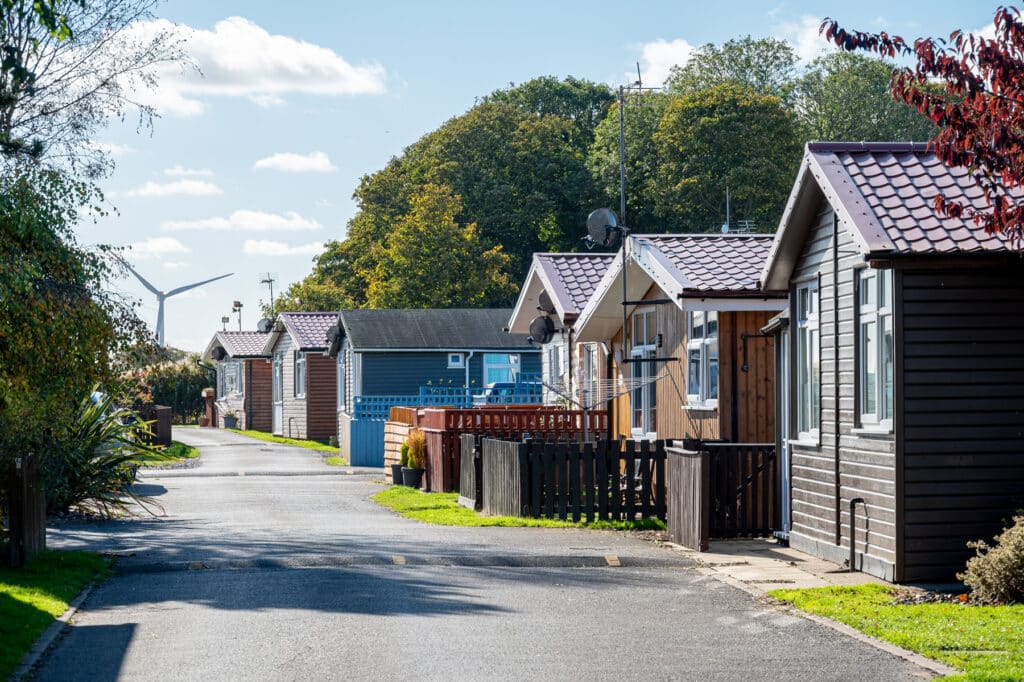
Whitby rewards a slower visit, and it sits within easy reach of the wider Yorkshire coast, including two of our very own holiday parks:
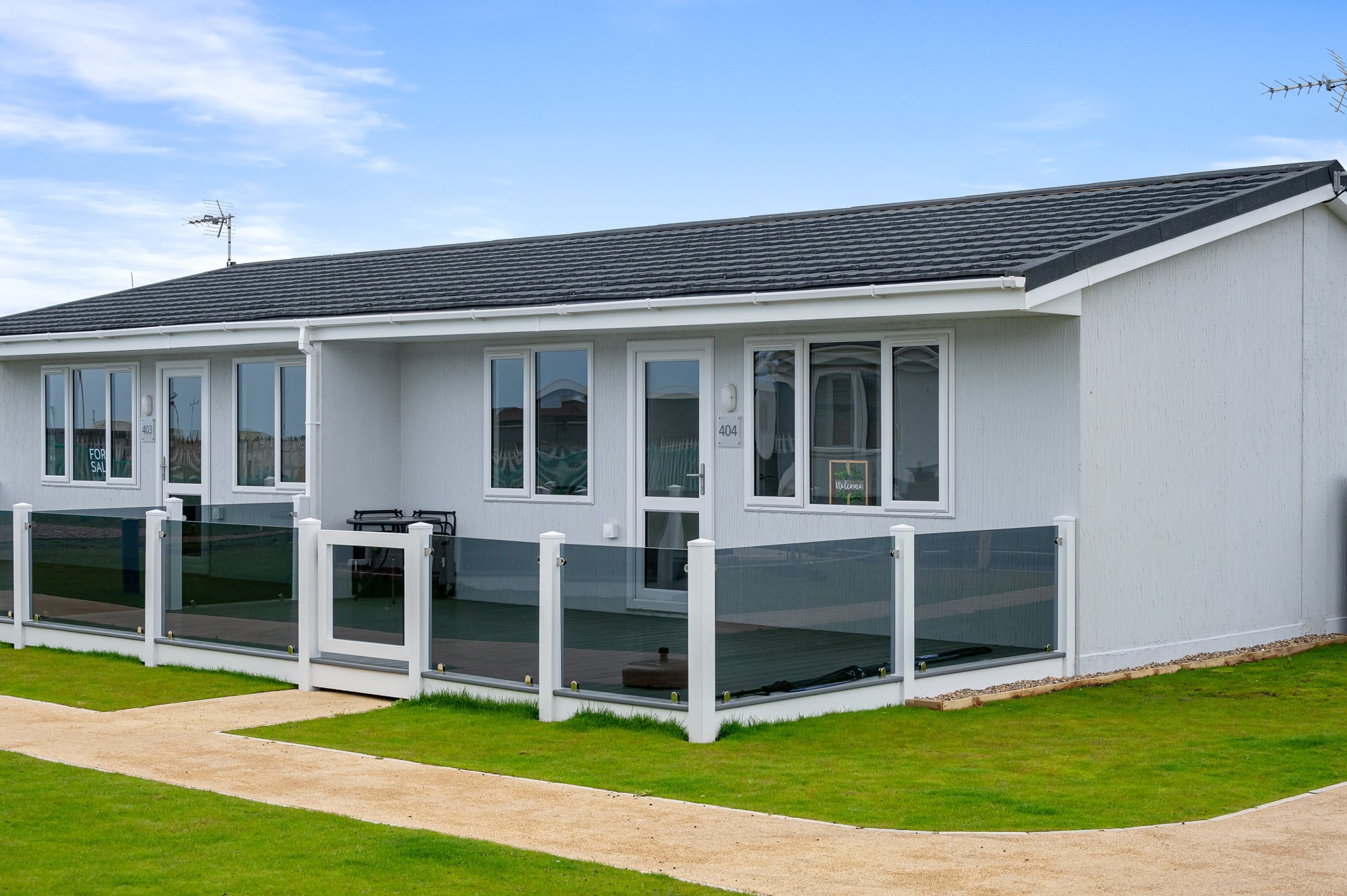
- Redcar Beach Caravan Park is about 27 miles and 40 minutes up the coast, so Whitby works comfortably as a single day out.
- From South Shore Park at Bridlington, around 37 miles and an hour to the south, you can take in more of the coastline over a couple of days.
From either base you can string Whitby together with the moors, the railway and the beaches without rushing any of it. For opening times and what’s on while you’re there, The Whitby Guide is a handy local resource.